A Centenarian’s Map and the Modern Traveller’s Dilemma
Evan England
My dad and I have a long-running discussion regarding my grandfather’s frequent evocations of the “good old days.” From my and, less so, my dad’s contemporary vantage point, the mid-century could be viewed as gray-ish landscape of less choice and social rigidity. We remind ourselves that while a house might have cost the equivalent of a ham sandwich (not to be mistaken for the avocados of nowadays), the lack of agency for a large part of the population makes nostalgia feel like it is doing some heavy lifting. Good luck, after all, telling most women that the societal structure of 1950s and domesticity were ‘better’ for everyone.
Yet, when the conversation turns to travel, my skepticism falters into something more complex. My grandfather is 102. His life is a cartography of the seemingly impossible: he lived in Hawaii, the pre-glitz UAE, Alaska, Malta, Italy, the USA mainland and New Zealand; serving in WW2 in Borneo and even working aboard Jacques Cousteau’s ship.
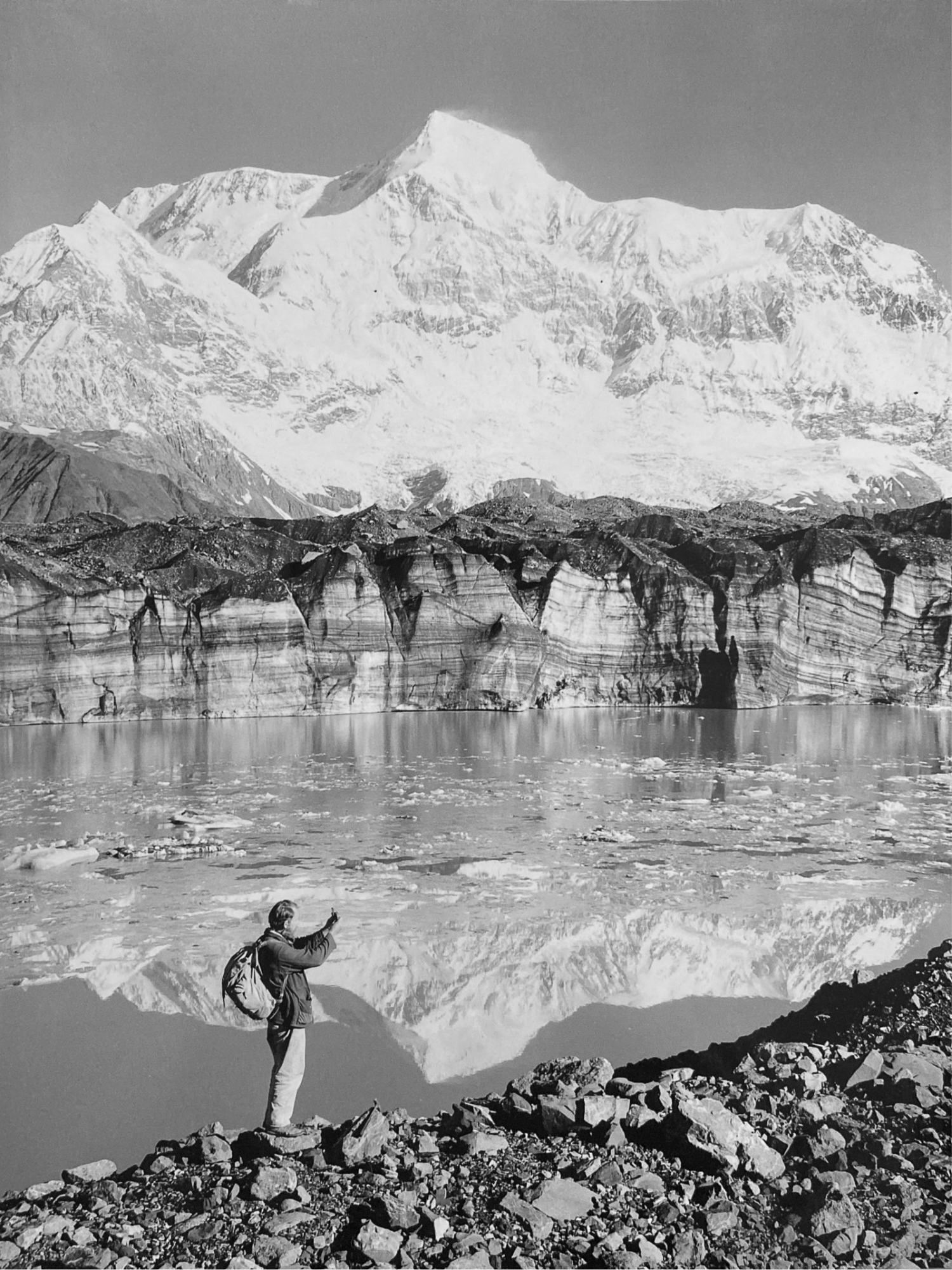
Allan Russell, Alaska on 35mm film
When I got engaged and announced a honeymoon in Sicily, he didn't just give me advice; he handed me a relic. A (literal, physical) map.
It was meticulously annotated with typewritten notes aligned to specific stickers. These tiny, labels from a bygone era marked where he and my grandmother had lived, swum, eaten and hiked in the early 1950s. Each sticker was a tactile trigger for a story, a memory of a Sicily that existed before the "White Lotus" effect, before the island became a choreographed backdrop for the digital age.
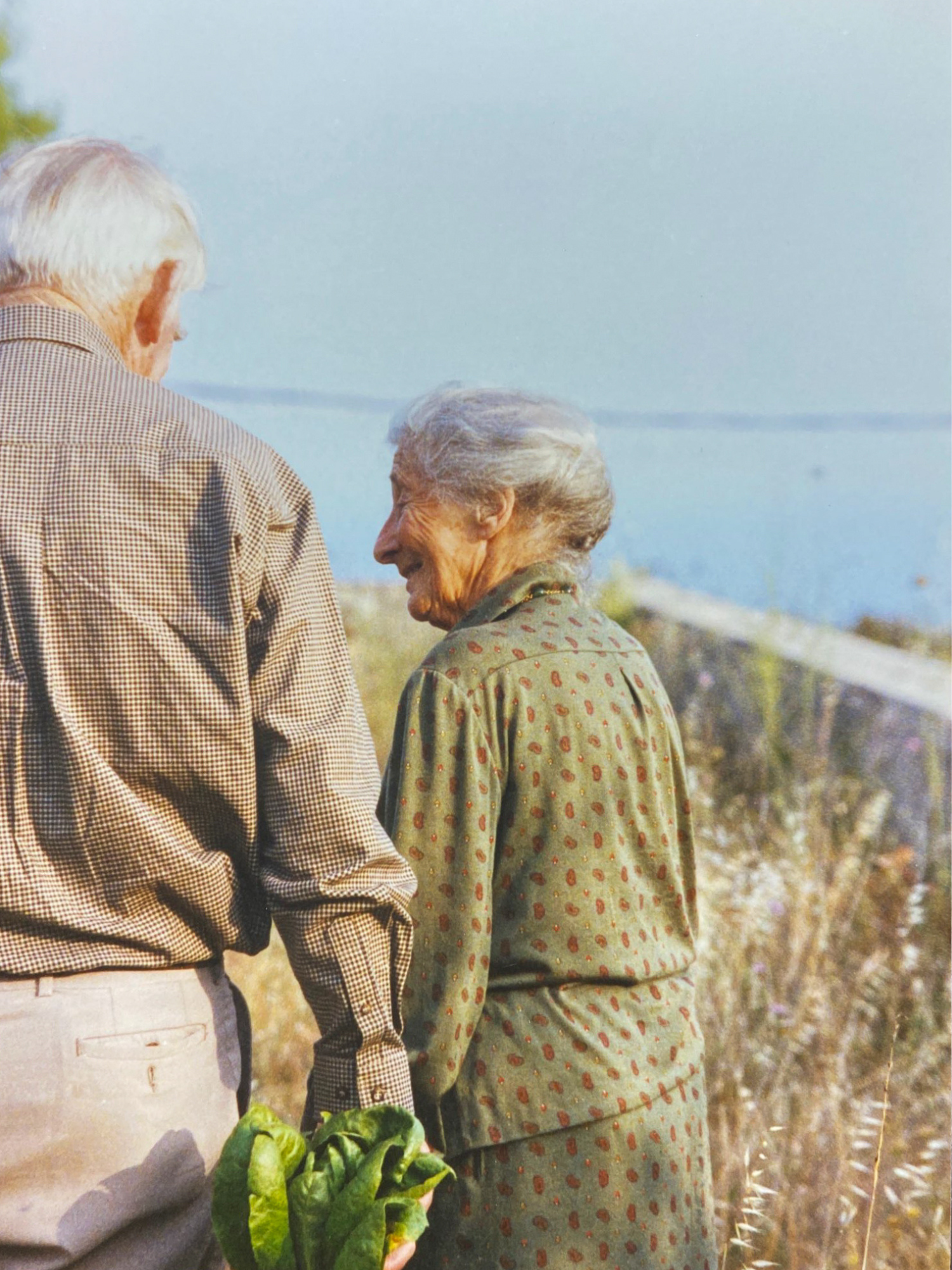
Sicily, Italy on 35mm film
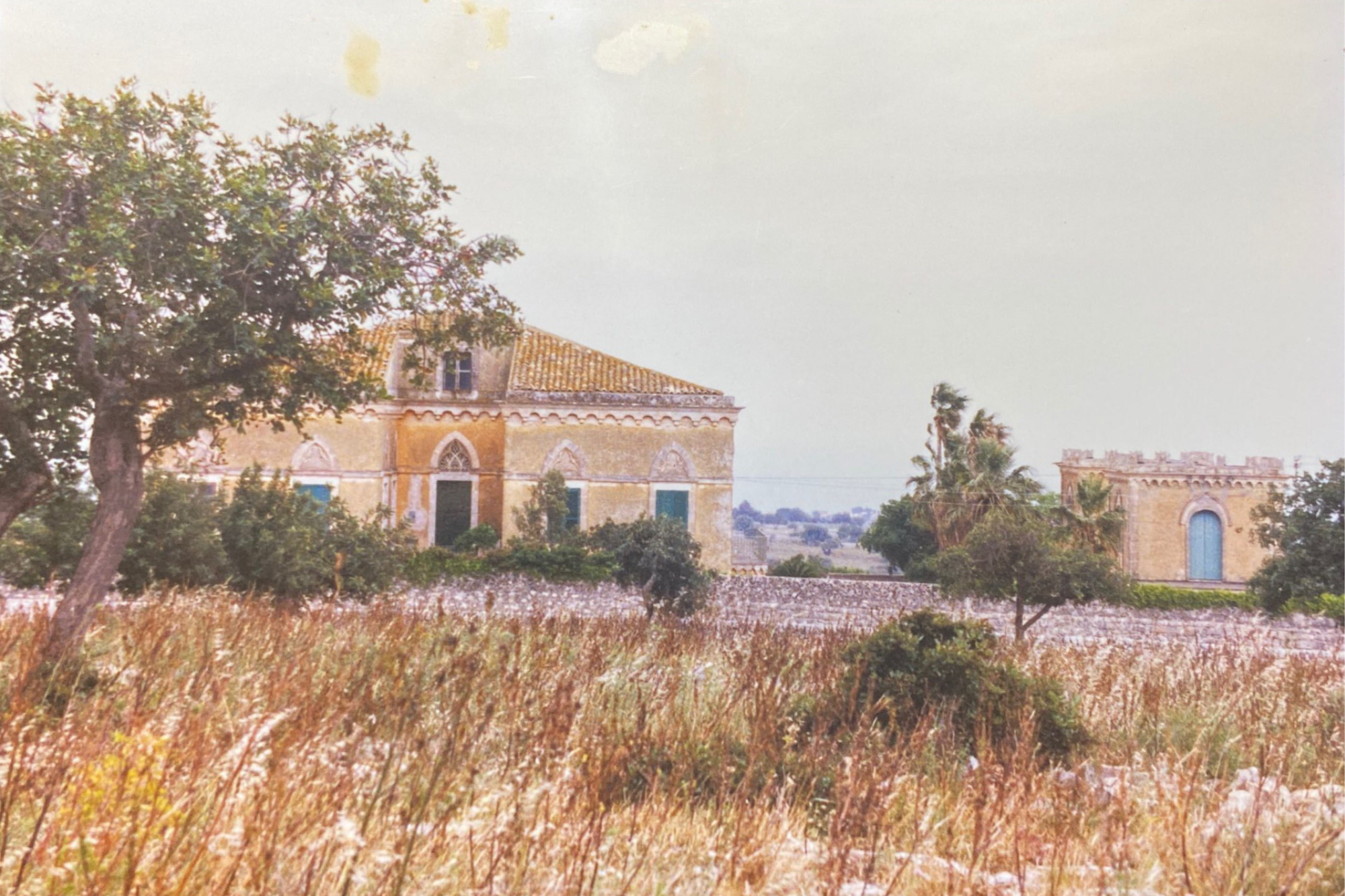
Sicily, Italy on 35mm film
We followed his map dutifully in the summer of 2023. We had a car and explored the island's most beautiful corners, including Taormina. Beautifully, part of his gift to us was a directive. The morning in Taormina, we were to separate. I was to hike my way up Etna, while my wife was to luxuriate in the square with a coffee and her beloved journal. Following the directives of a centenarian in this setting felt particularly poignant.
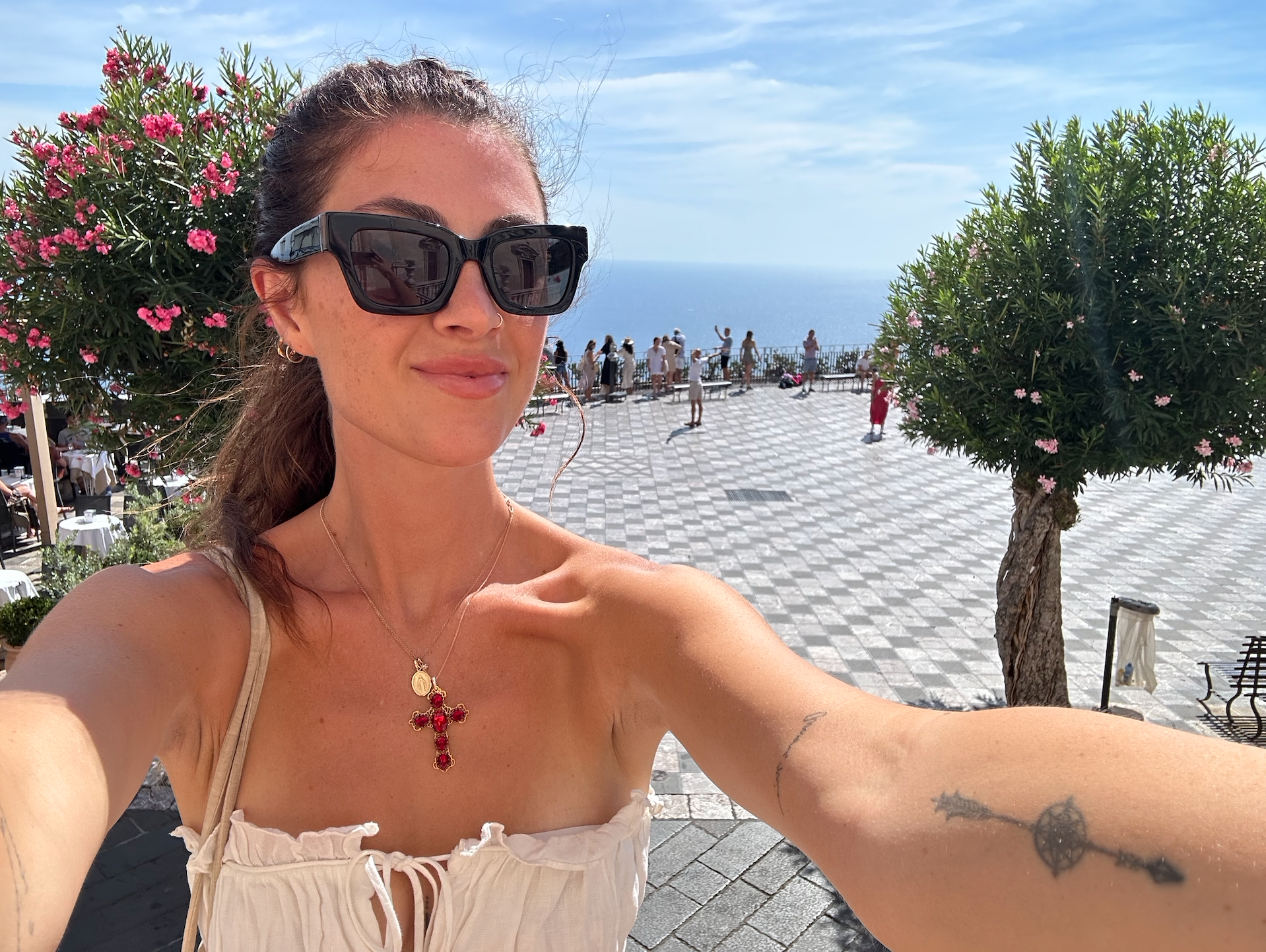
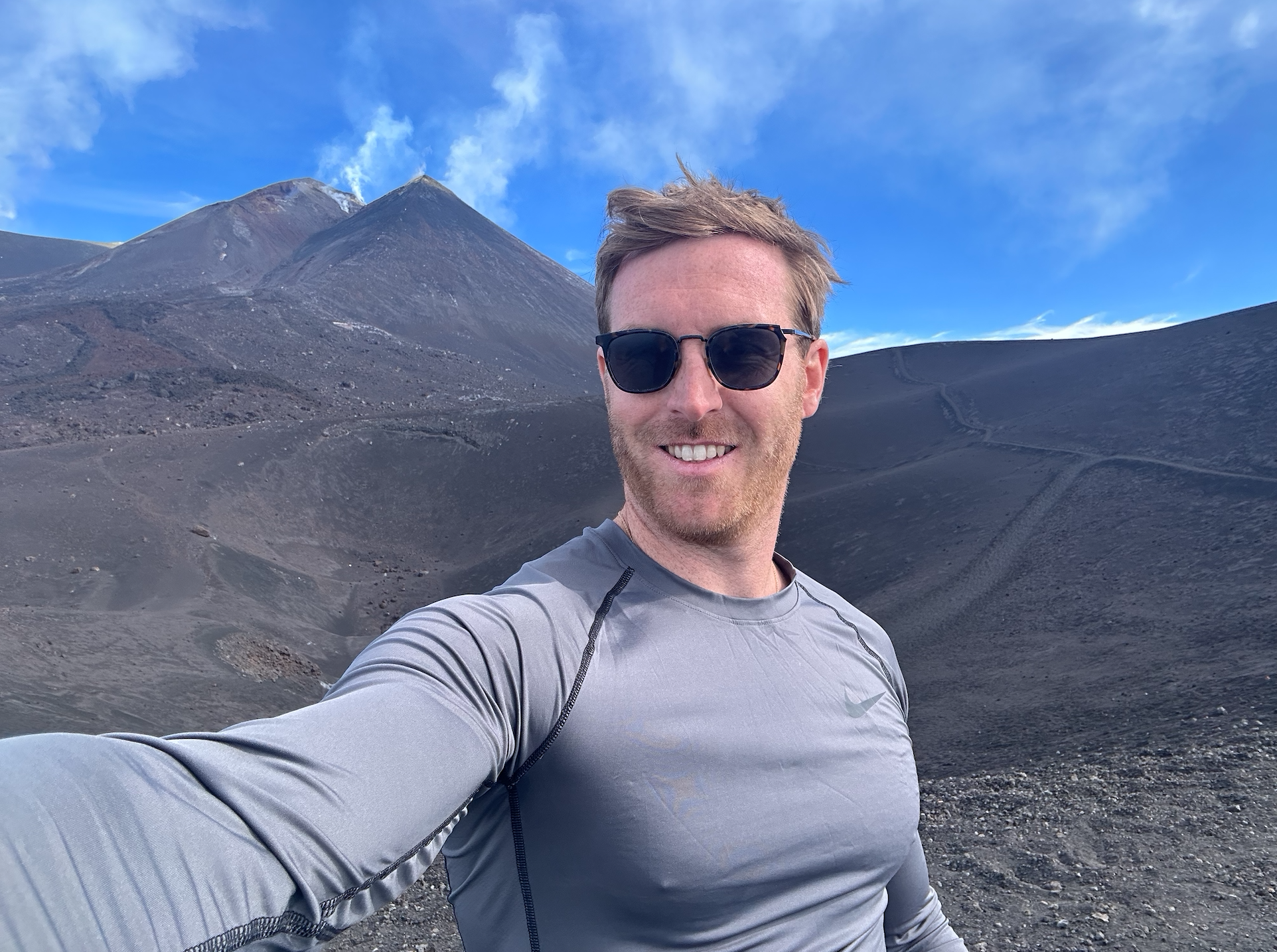
But as we navigated the island, a specific kind of yearning began to take hold. I am usually the first to dismiss those who complain about "touristy" spots, if you want total isolation from tourism, go to Moldova or Macedonia (places I find genuinely brilliant). Yet, reading my grandfather’s descriptions, I couldn't help but wonder about the trade-offs we've arrived at.
He spoke of a time when interactions were forced by necessity into broken Italian. When Mount Etna could be scaled without a digital waiver, when beaches were "undiscovered" because there was no satellite imagery on a phone to find them. As a side note, he once found himself at a cannibalism event in Papua New Guinea, a travel experience that was as terrifying then as it is horrifying today. In his day, travel was a lottery. Today, it is an itinerary. Is this for better or for worse? I suppose that’s the question.
This is the central tension of modern travel for the modern traveller: the Tyranny of Choice. As psychologist Barry Schwartz conceptualised, an abundance of options can paralyse us. In my grandfather’s era, "on a whim" was often the only way to move because the information simply didn't exist. We don't really do that anymore. Today, the travel videos that often get the most clicks on YouTube are the ones where people have "random" encounters, precisely because those moments have become so rare in a world of pre-planned perfection.
The cases for the modern era are many. Firstly, of course, one of incredible democratisation. Travel is now insanely affordable compared to what it was, especially if you need to get on a plane on short notice. End of story. Secondly, access. I’ve rented over 100 vehicles across the globe since 2013. I’ve navigated back-country Lofoten with friends all via a smartphone and translated complex dialects in real-time in Korea, things that might have stopped us seeing and doing things in the past. We are no longer the travellers of the pre-Google Maps, like the time I missed a plane in the Philippines sweating over a paper printout to return the car to the airport. We have escaped the era of the “Mount Kilimanjaro T-shirt" - that oversized, overpriced garment bought at 2:00 AM in an airport just to exhaust the last of a local currency you’ll never use again. With digital banking and international cards, the stress of the cash-heavy past is fading. Even the "word of mouth" culture my grandfather thrived on has survived; just in a different form. Today, that trusted voice might be on a niche forum, website, an Instagram Reel or a Substack. And it carries even more weight because it cuts through the deafening noise of the "Information Age."
So, who has it right?
In his era, travel was a series of unknowns that could lead to a Cousteau expedition or a frightening encounter in a PNG jungle. It was a high-stakes gamble with a high-reward soul. In our era, the world is mapped, priced, and reviewed. This isn’t strictly bad. That restaurant that overcharges tourists is now reviewed and dismissed. The taxi driver who decides the price on a whim? I’ll use Uber thanks. We have never had it so easy, and yet, we have never had to work so hard to be truly surprised. I met a ‘lady’ the other day, like an actual one in England who was telling me how she skied across from ‘Manchuria’ to North Korea, and my first reaction other than it being amazingly cool, was, ‘damn why can’t I do something like that?’
I suspect that if I am lucky enough to reach my tenth decade, I will find myself sitting across from a grandchild, clutching a digital relic of my own 2025 travels. I will likely be the one speaking in hushed, reverent tones about the "good old days" the days when you could still see the stones of Hadrians wall without a pre-booked, time-slotted QR code (surely they won’t exist then), or when the Dolomites still felt like a mountain range rather than a high-altitude theme park.
I harbour a quietly growing fear of what the landscape of travel will look like in another seventy years. As our globalised world expands and the "Instagrammability" of the world reaches a fever pitch, we are staring down a tourism crisis that threatens to love places to death. This is not an original thought, I know, and I am part of the problem. While the solutions of sustainability and decentralisation are noble, they often feel like we are trying to put the toothpaste back in the tube.
So, where do we land, so to speak? For me personally, I am at the stage where I am chasing this - the yearning for something different - but use all the modern day tools, so I guess I am conflicted, hypocritical and privileged all at the same time. The "good old days" of travel weren't necessarily better; but they were metaphorically wider. The individual was an explorer by default because the world was still a mystery. Today, the adventure is still there, but it is no longer par for the course. It is an active choice. To find the "raw" today, we have to be willing to turn off the maps and ignore the "best" reviews or go to some far flung parts of the world. Maybe the answer is doing part of your holiday ‘unplanned’ and in the 5th largest town in southern Italy rather than the largest. Or say we don’t, do any of that, well maybe who cares?
So be it, but I do fear the only thing left for my descendants to discover might be the gift shop at the end of the world. Actually I think one already exists…