Why Hobart makes winter worth wanting
From fire-lit restaurants to floating saunas and soil-first cooking, Tasmania offers a version of winter the mainland forgot how to enjoy. writes Georgia Maher.
Seldom are there places in Australia that really celebrate winter. The land of beach-to-bar does its best to skirt the idea of cold weather; it’s a season to endure not enjoy. But there’s one state where winter reigns supreme. Tasmania is one of few regions where winter feels an entirely appropriate experience for its environment.
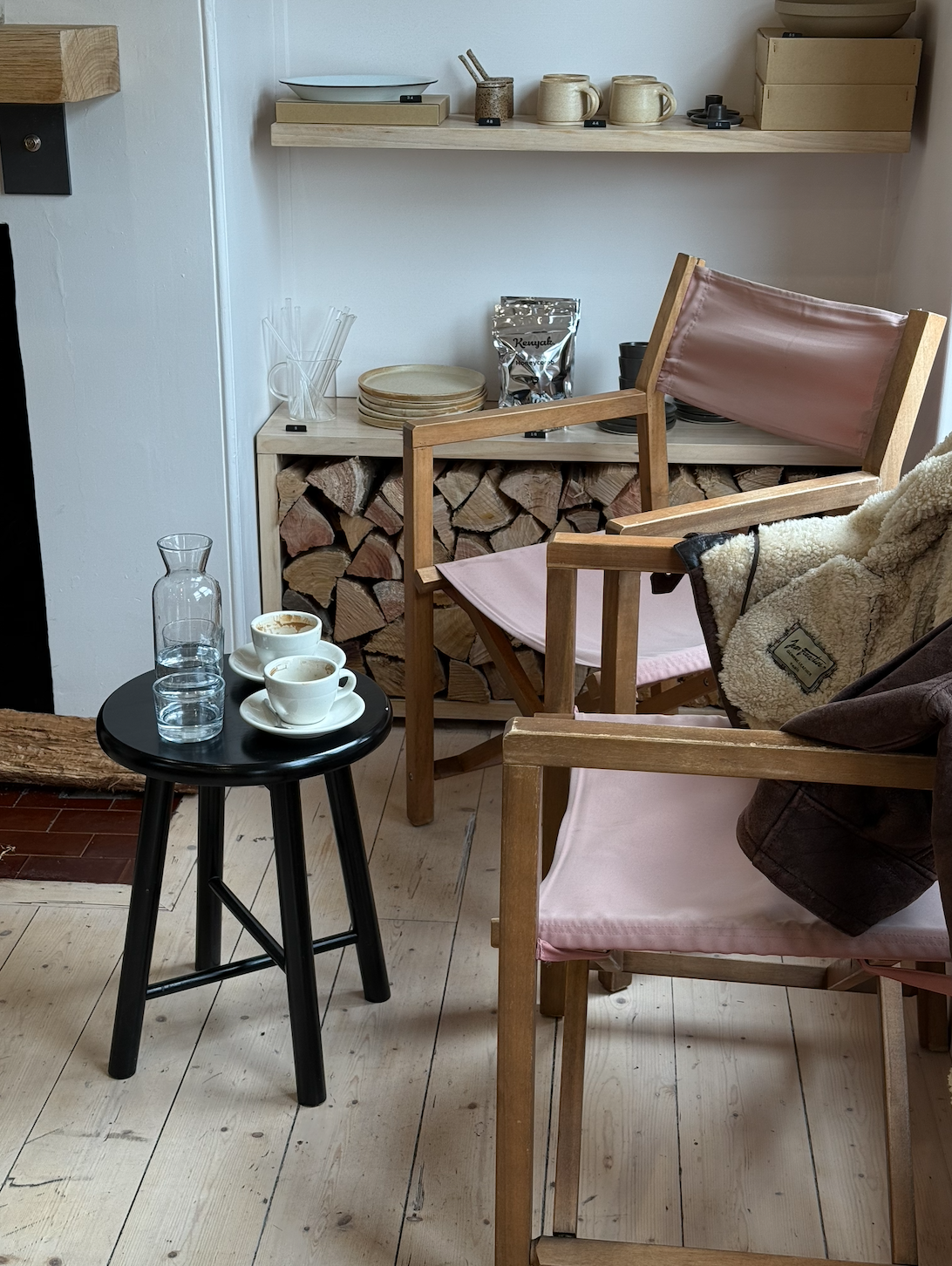
Cosy pubs, dimly lit restaurants and seasonally focused produce is unrivaled on ‘the mainland’, as locals affectionately refer to it, as if the rest of the country is worlds away. Down here, providence is a religion.
They’re onto something though. Something does change when you cross the Bass Straight and set foot on Tassie. It’s an island of vast natural beauty, absurdly good produce and is home to a cohort of zealous makers with dirt under their fingernails. Somehow they all know each other too like the state is one big country town. They offer recommendations in a pre-social media manner. One sommelier picked up the phone to ensure we could get a table at the next venue. Another person dropped the “tell them I sent you line” as if we were in a 1990’s travel commercial. You get the feeling they really care about your experience in their backyard.
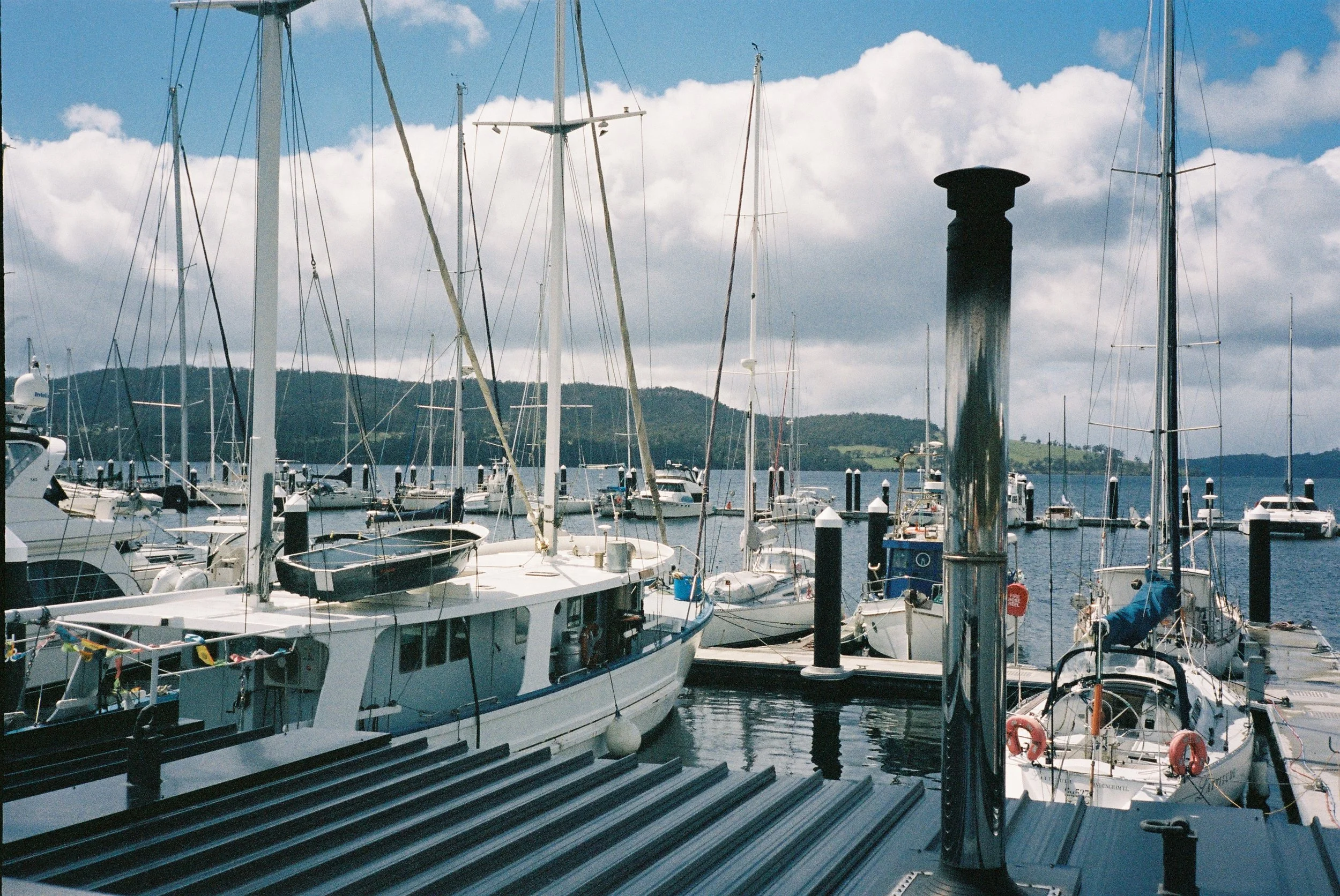
Tasmania is Australia’s second oldest city behind Sydney, invaded by the British in the early 1800’s to establish a penal colony. The early economy was built on the sweat of convicts shipped off from England for as little as stealing a loaf of bread. Maritime was and still is a leading industry given its proximity to the Antarctic. Case in point as to why Hobart is biting cold more often than not.
But the humble island was also attractive for its rich agricultural soil, sweeping beaches and snowcapped mountains in an area akin to the size of Ireland or Switzerland. It’s classically been Australia’s poorest performing state, but for those same reasons it was attractive to settlers two centuries ago. Tasmania is pulling itself up the rankings as one of the world’s most dog-eared places to visit.
As Lonely Planet once put it “Tasmania is waking from its slumber.”
Today, she’s well and truly awake.
Once attracting the outdoorsy type, now a magnet for culture vultures, Hobart’s restaurant scene is the city’s biggest drawcard alongside its hiking and wilderness. Many wet-behind-the-ears chefs move to the city eager to experiment. Cheaper rent and a strong hospitality community allows them to hone their craft, and visitors to enjoy something creative.
They stay, they grow and what was a nursery for young chefs has become a playground for the seasoned professional.
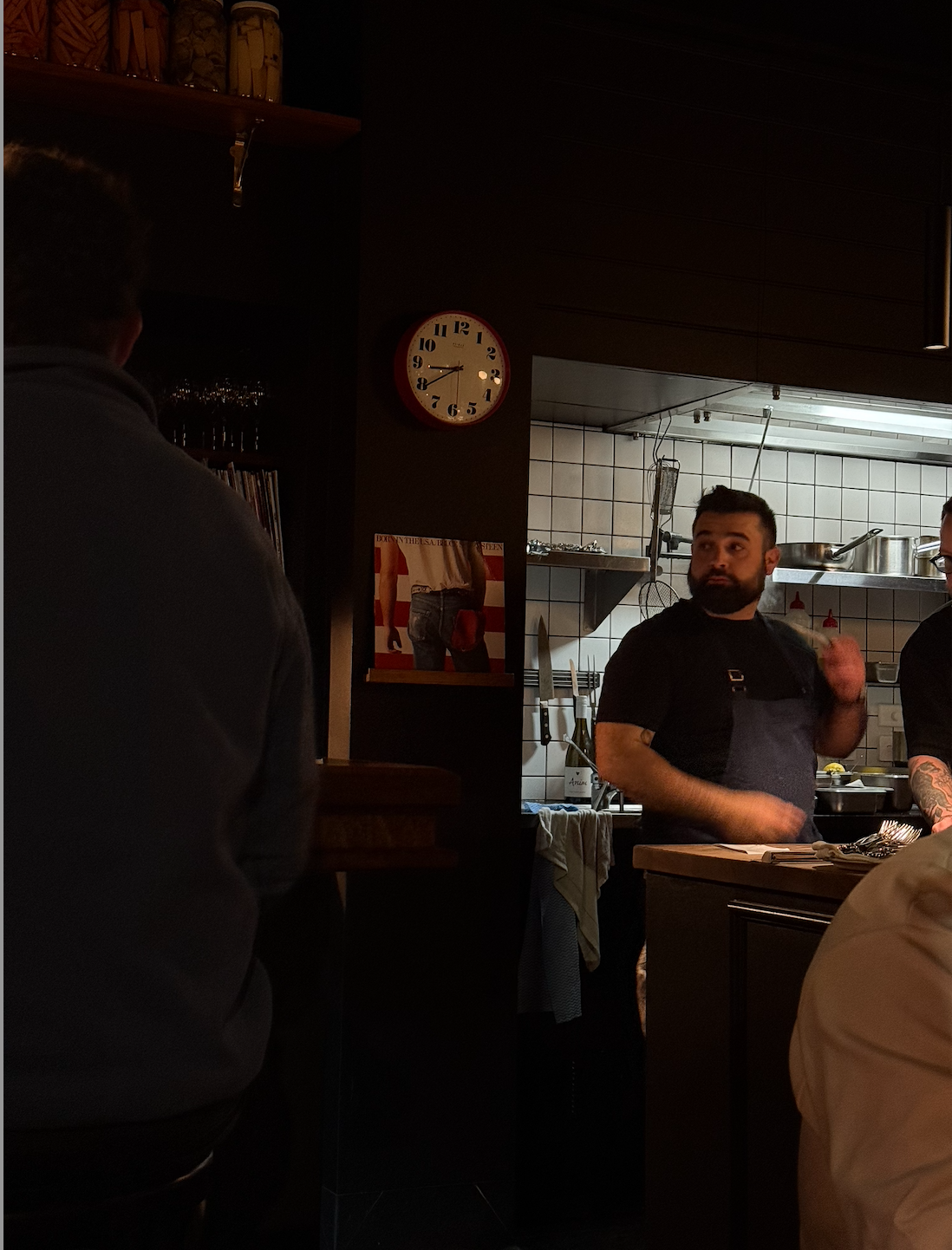
One of the city’s most exciting openings of late has come from chef Luke Burgess. Scholé is a snug 12 seater restaurant with a Japanese leaning menu. Following a stint at Copenhagen’s Noma in 2010, Luke opened Hobart’s first drawcard restaurant, the former Garagistes, and is now one of the most renowned chefs in the Tasmanian culinary fraternity.
Securing two of the dozen places at his latest venture is hard but not impossible. My experience fell into the former category.
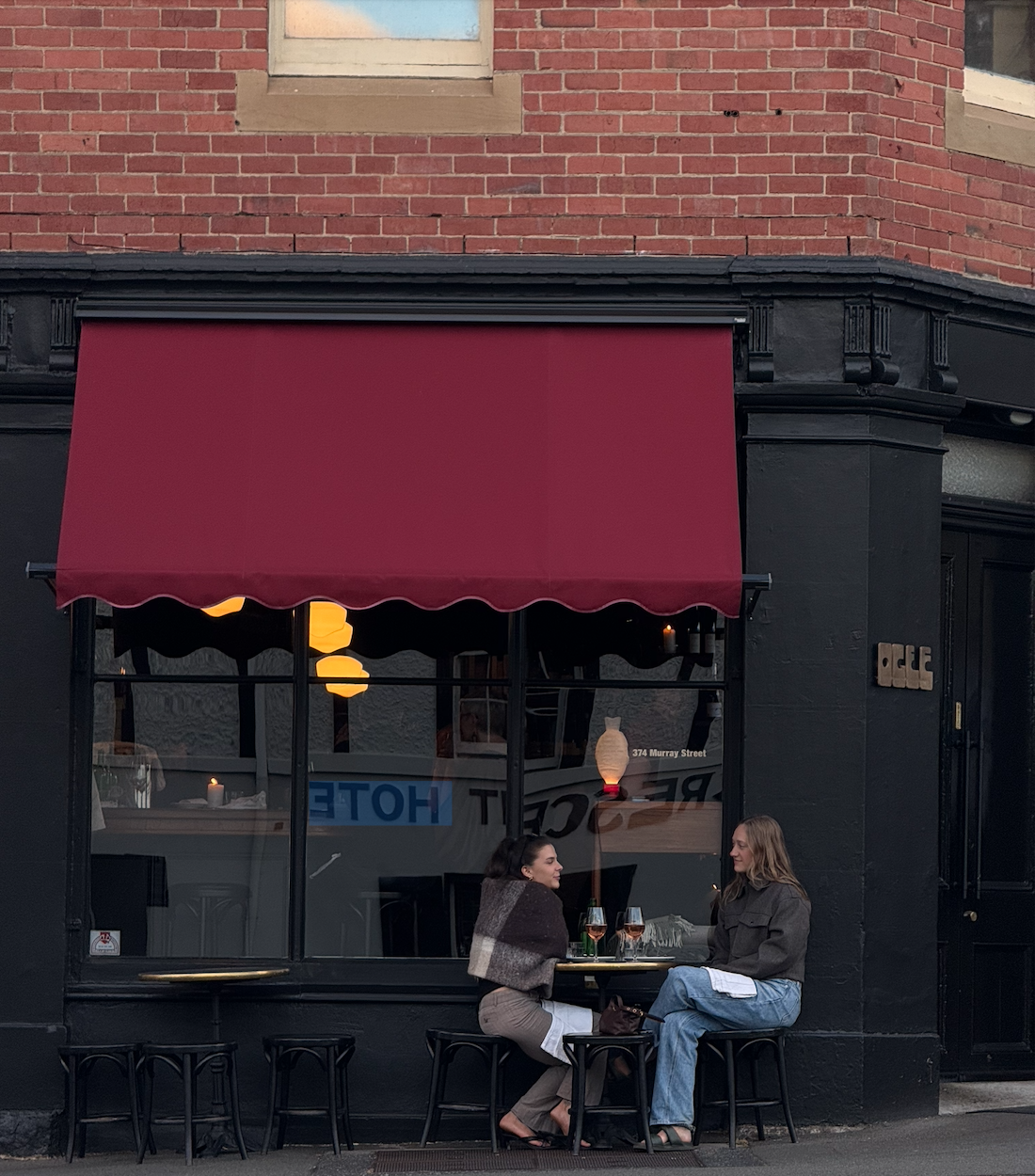
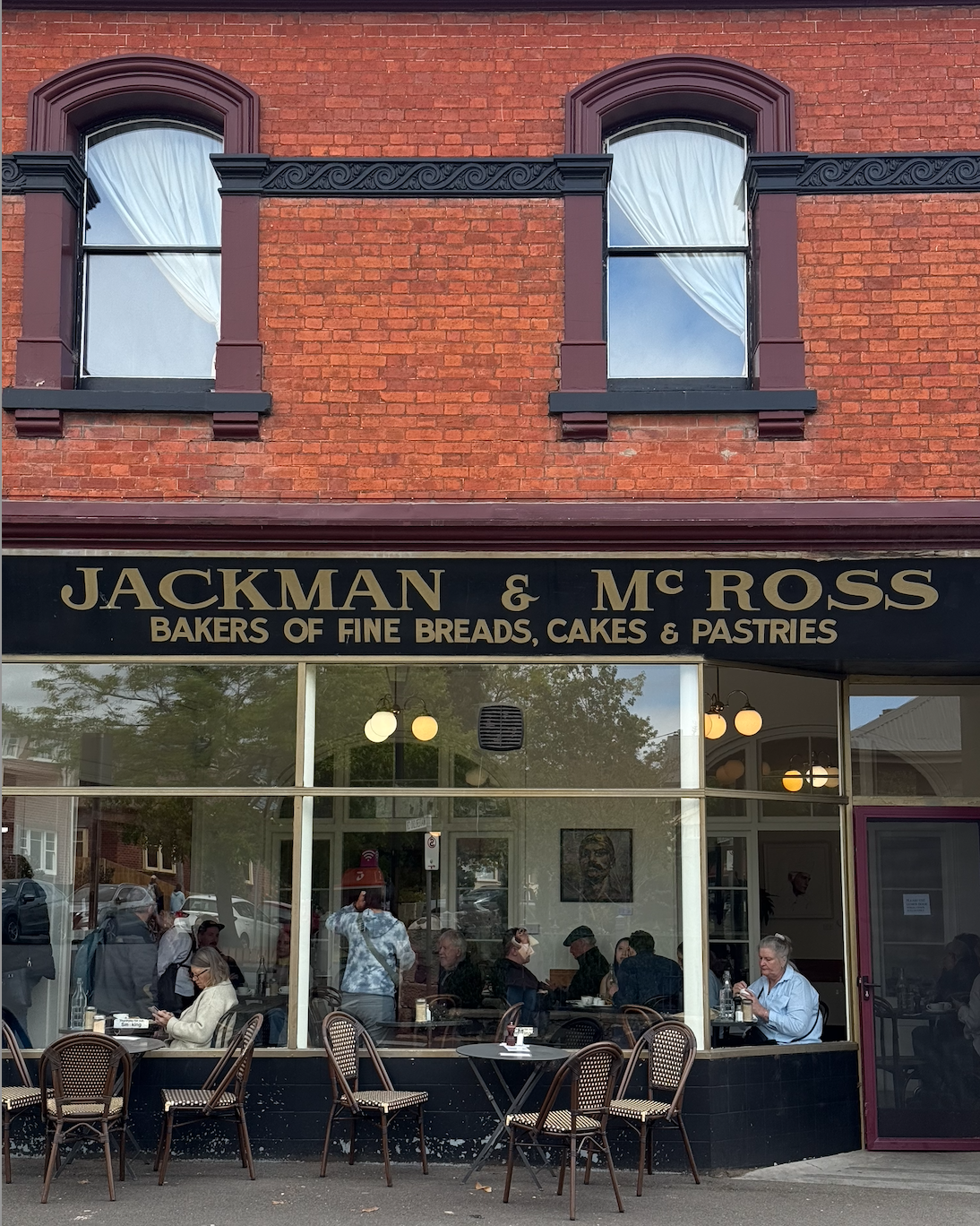
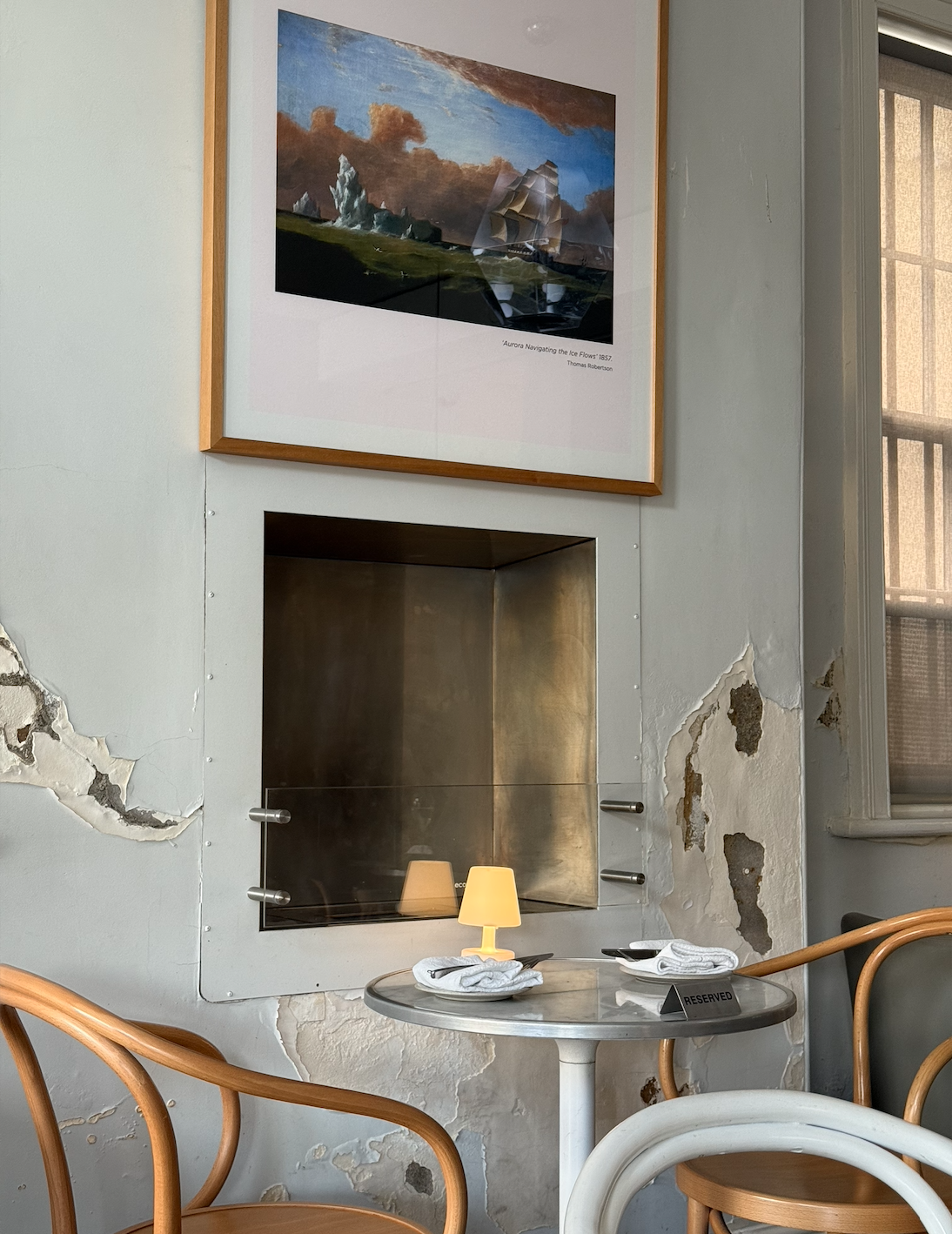
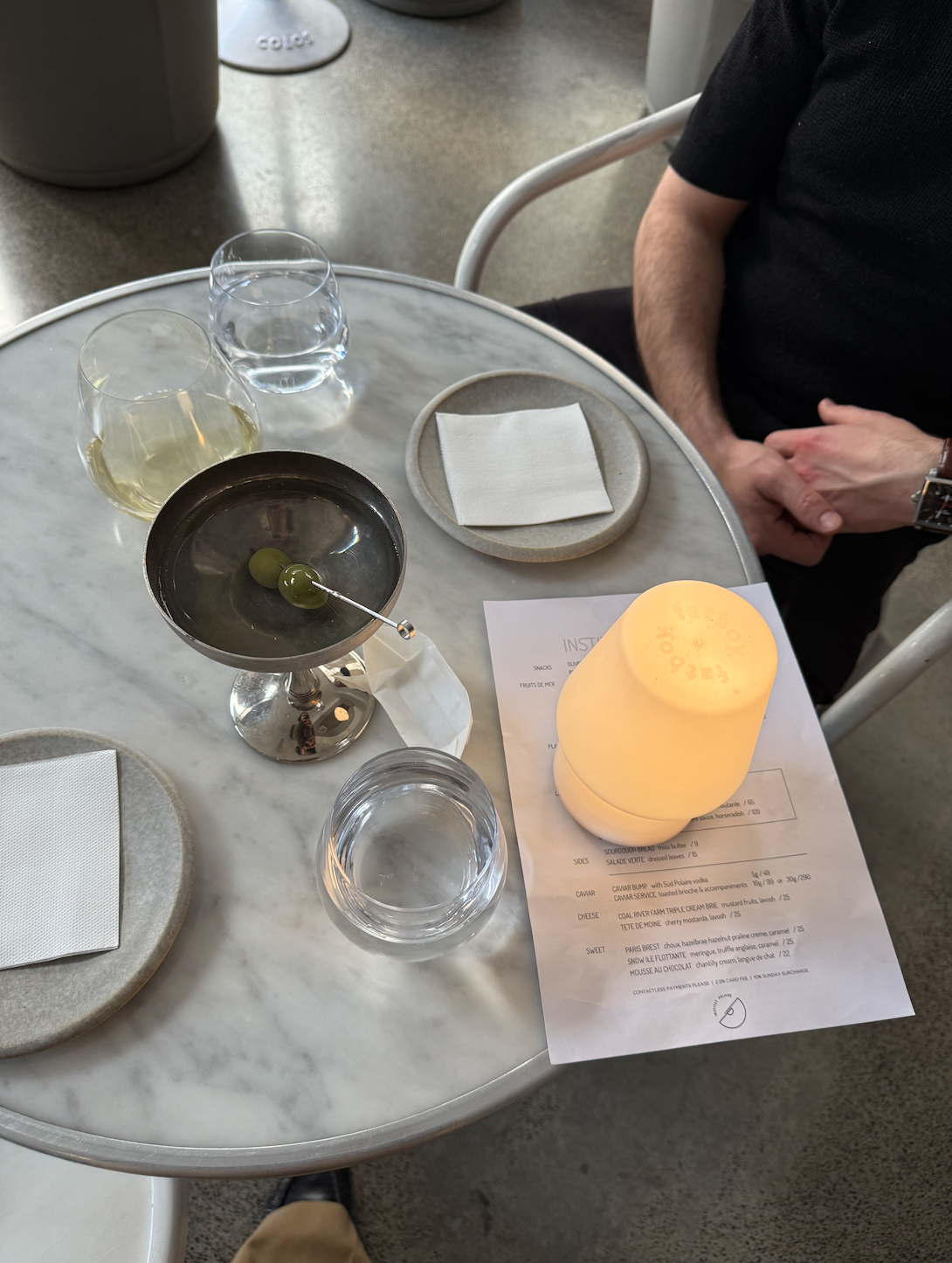
Instead, we dined at Ogee in North Hobart. A neighbourhood restaurant that is much more than the shop on the corner that it seems from the exterior. Patrons wrapped in woollen blankets on the curb sip from the Tasmania only wine list. Inside, the husband and wife team dance the front of house, back of house dance elegantly.
My most recent trip to Tassie was in late October which is, in fact, Spring in Australia. We left 30-degree not-a-cloud-in-the-sky days in Sydney and landed to 4-degree Hobart days, the sky feeling like a low hanging grey ceiling. More evidence the mainland feels like a world away. The weather was grizzly all weekend. Just like England in October, it felt perfectly fitting.
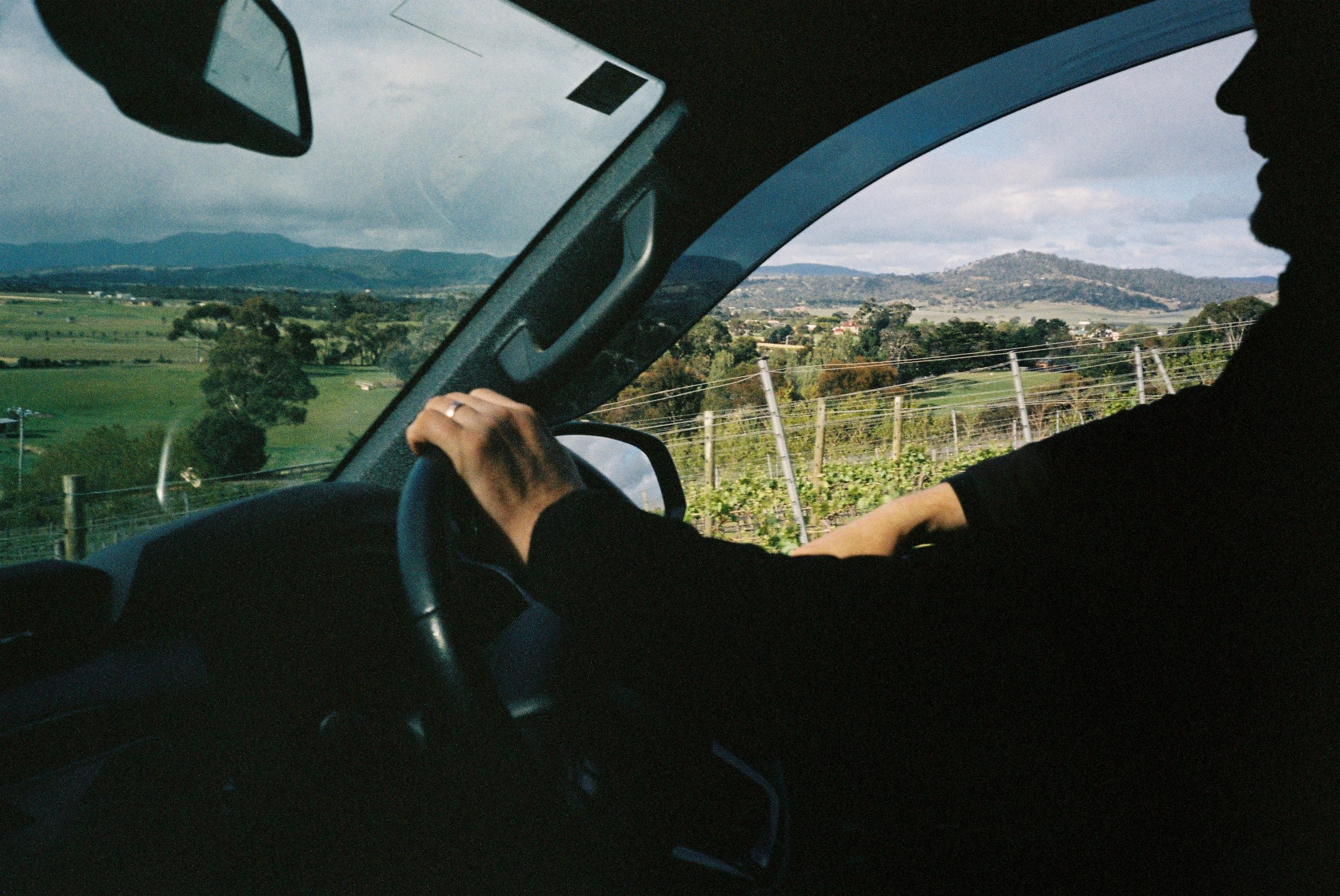
A car is a useful companion in Hobart. Much of its intrigue, history and gastronomy is a short drive from town.
The first place one must drive is alongside the commanding River Derwent north west for 25 minutes until the small township of New Norfolk appears in the distance.
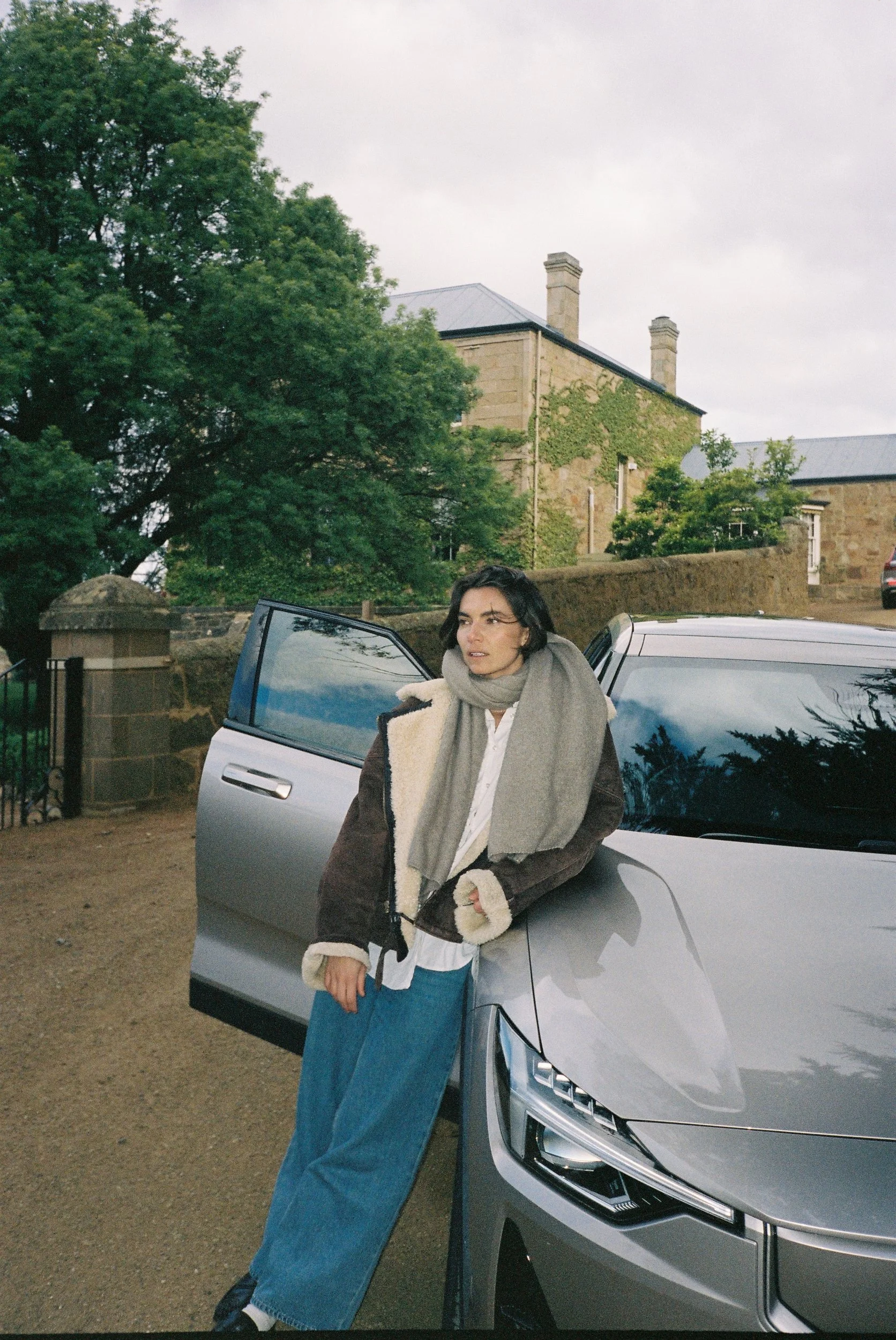
New Norfolk is famous for two things; the former mental asylum that was established to house invalid convicts in the 1800’s, and the kitchen garden that now operates inside the antecedent asylum.
Walking into the Agrarian Kitchen restaurant, I’m instantly struck by the lino floor. A fire bellows in the middle of a long dorm-like room where, if I closed my eyes, I could almost see the rows of hospital beds one after the other.
The building’s expansive spaces, sweeping windows and high ceilings lined with original pressed metal, the owners say, begged to be filled with diners. But it’s what’s outside that most patrons are taken with more.
The asylum had an exercise yard, more than an acre in size, boxed in by cold, bemoaning concrete walls a number of metres high. Today, it’s a fertile farm yard with any type of vegetable, herb or edible plant one could imagine. It’s a true juxtaposition of brutalism and fertility.
The Agrarian Kitchen only serves one lunch sitting a day, and rarely turns a table. It’s a set menu and the only decision that needs to be made is a crucial one; to match wines or not?
Lunch’s overture is a tour of the kitchen, a guided meander through the garden followed by an amuse-bouche in the green house. A welcome opportunity to take off the sheeling coat and woolen jumper to sit among palm fronds and trellised peas. The guidance was “stay as long as you like” which didn’t feel like a throwaway line. We drank sour plum ales and Tasmanian sparkling for near on an hour before we started to feel the hunger pangs.
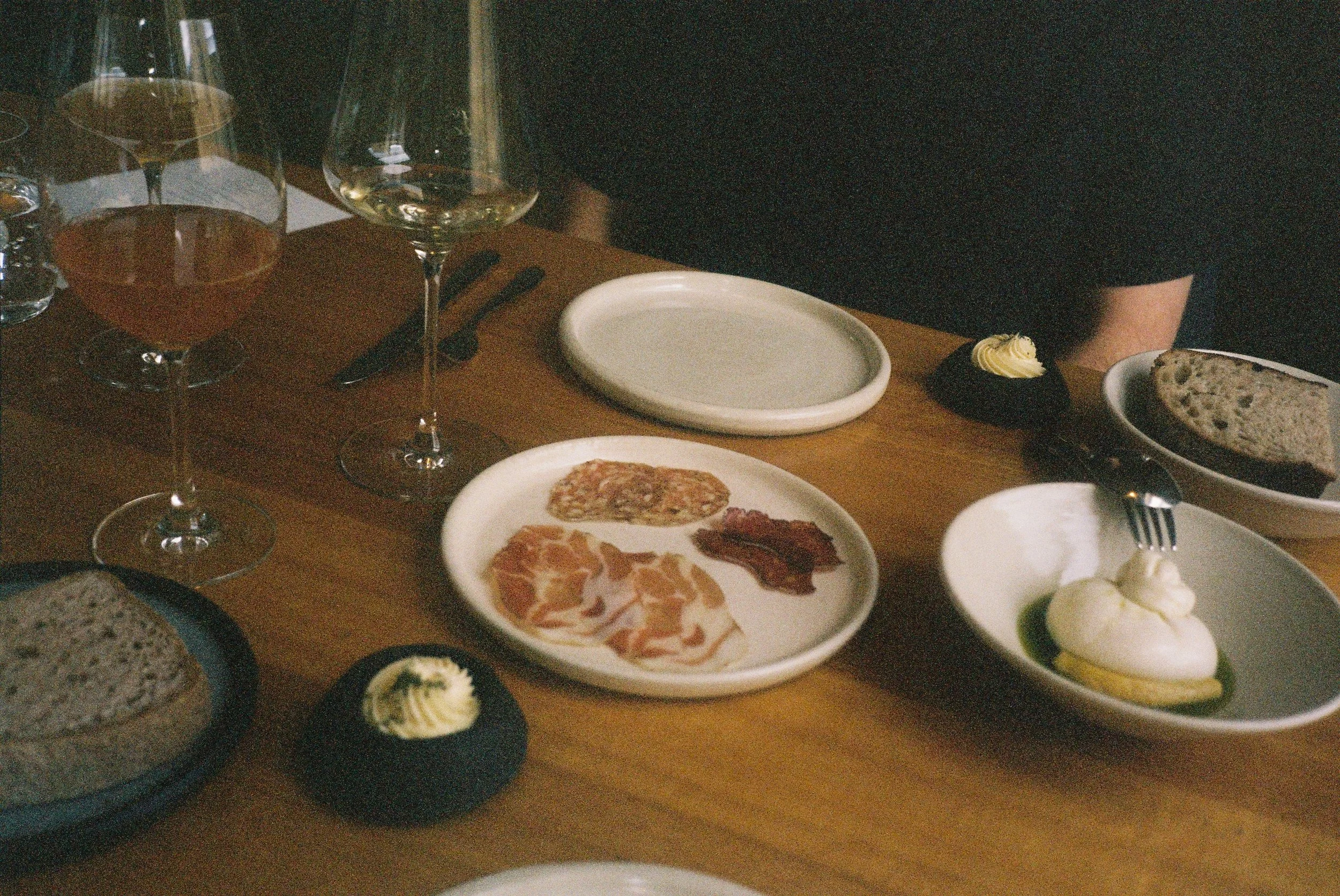

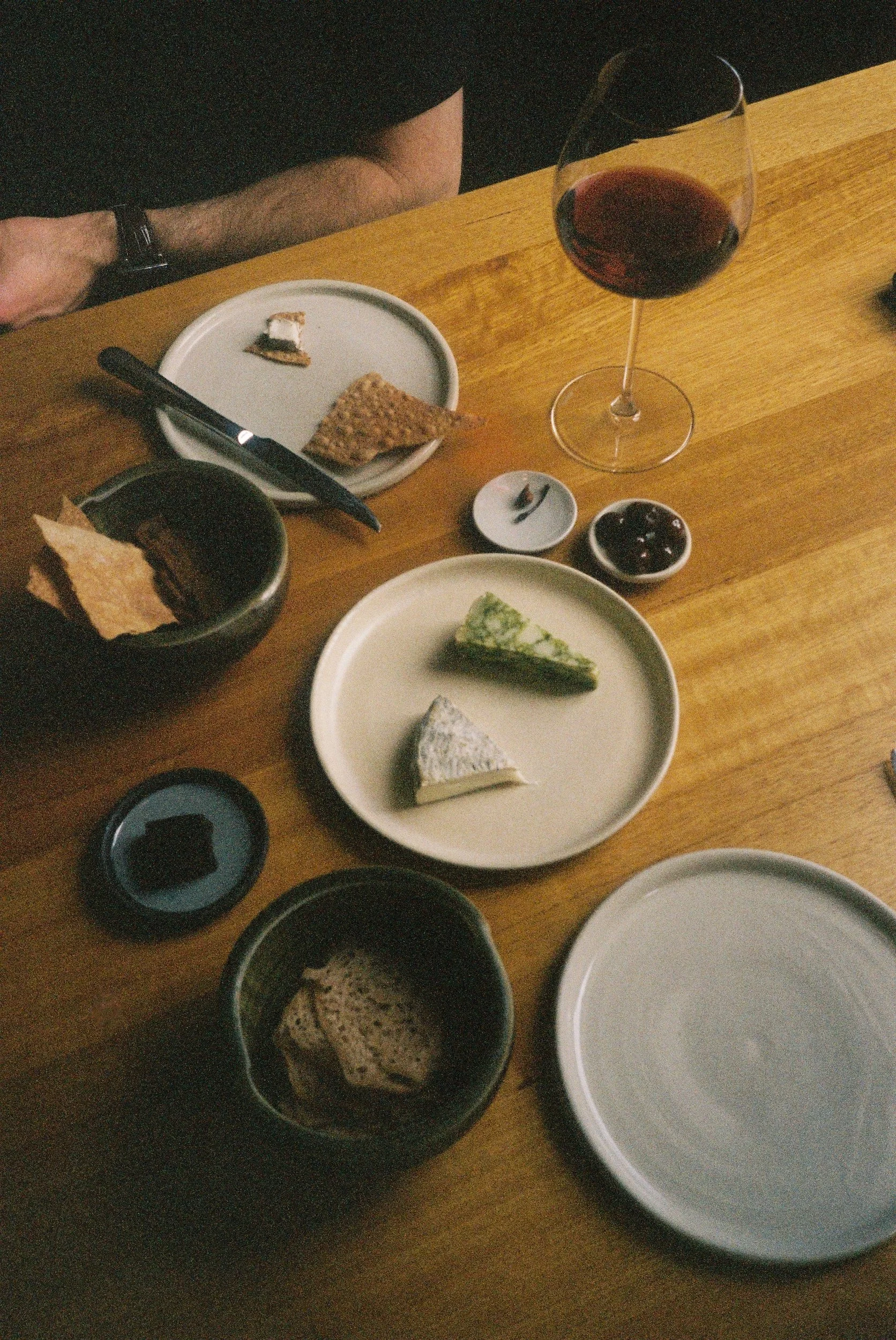
For four hours we sat as dish after dish was placed at our table. Everything grown on site, and what wasn’t, was sourced from farms a stone throw away. What struck me most was the staff’s recall on every ingredient, and the producer who grew or reared it.
“Our friend down the road only has a small veggie patch but grows the meanest white asparagus for just a few weeks a year.” Or “the beer label is called Two-Metres tall because Ashley the brewer and wild fermentation specialist down the river here is really two metres tall.”
Funny, useless tid-bits that pull you closer to the food every bite taken. It was quite possibly one of the most impressive dining experiences in Australia. Completely devoid of ostentatiousness and enveloped in regional grandeur.
Hobart is biting cold more often than not. While holding up in a restaurant is the premier way of keeping the nose from getting windburnt, there’s a few other options to staying warm and entertained.
MONA is Australia's temple of all things weird or obscure. A ferry will take you to what feels like a camp batman's lair, commandingly perched on the edge of the Derwent River. Inside is a large private collection of the most obscure, whacky art in the country. A hall of plaster cast vaginas and a machine called the cloaca (otherwise known as the ‘shit machine’) which emulates the digestive system and smells of fecal matter, sits alongside a host of what some might call more traditional pieces.
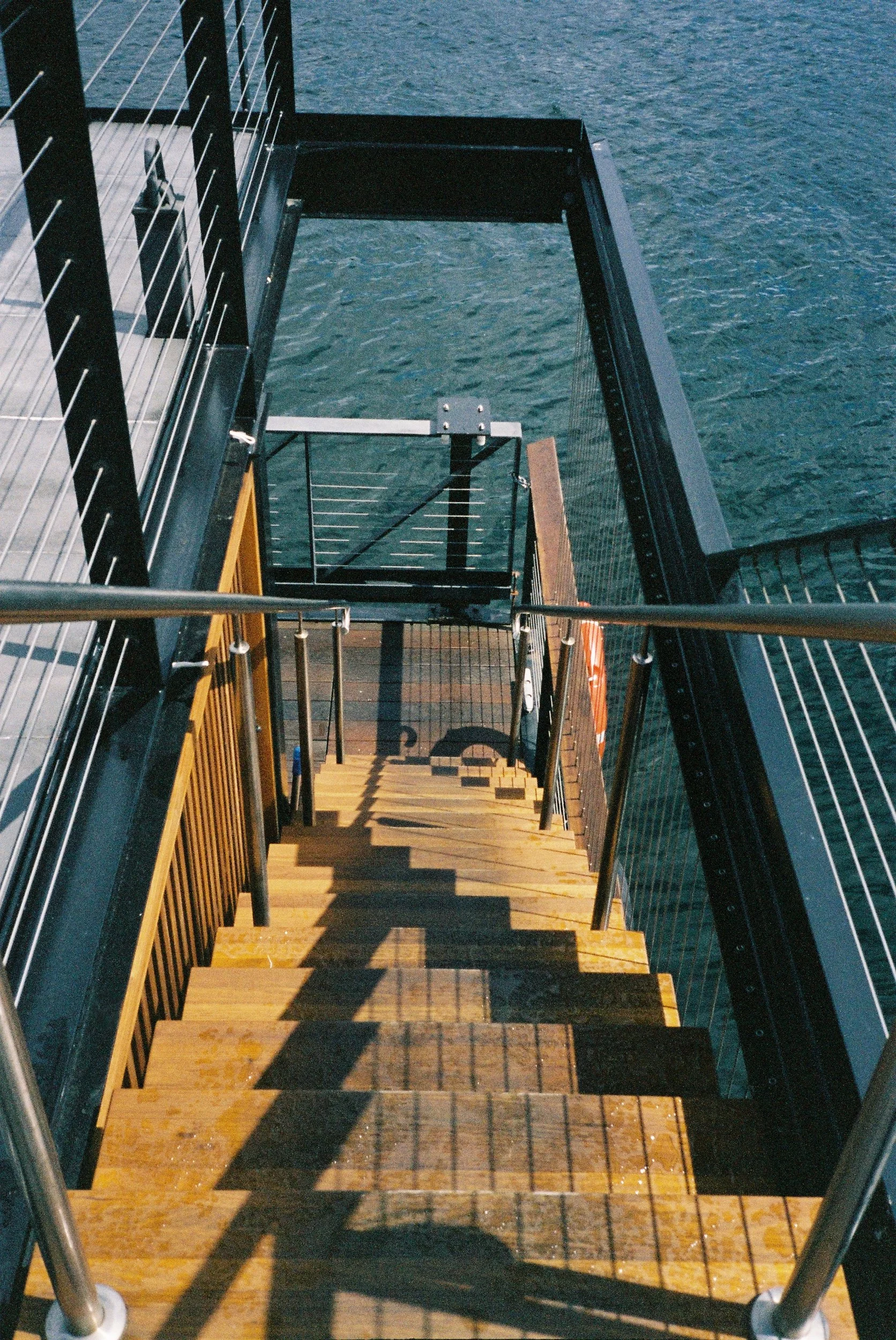
Drawing the curtains one morning, I squinted up at Mount Wellington. Surely it couldn’t be? Snow in late October? In Australia? There was nothing in my carry-on suitcase that was prepared for a light dusting. A 20-minute drive south of Hobart was the solution to this conundrum. Among the salmon trawlers in the marina sits a glass walled sauna on a floating barge. For an hour and a half it floats down the river, stopping only to dive off the back for a resetting swim in the icy water. Sight seeing and a spa like experience in one.
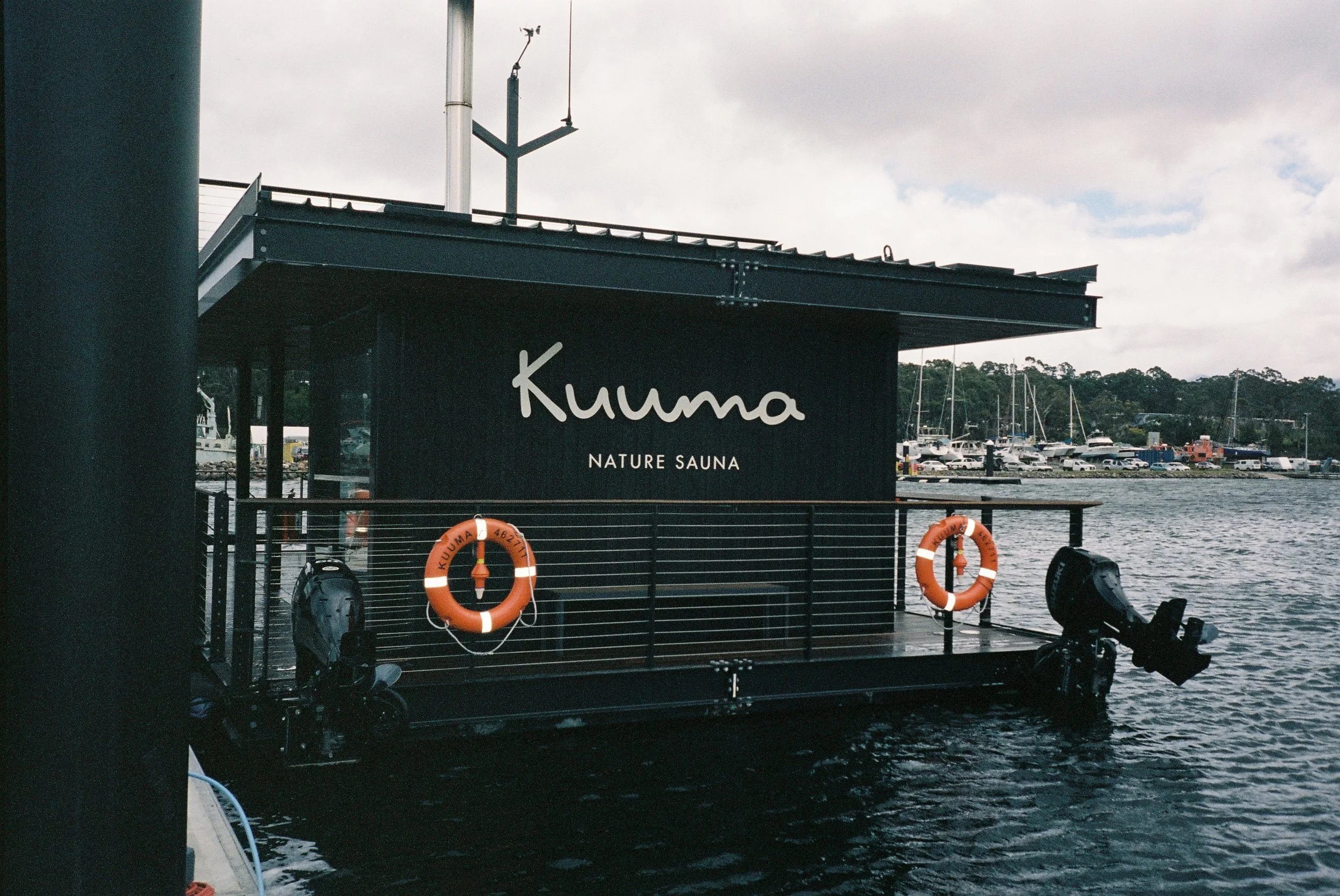
Australian cities don’t often give you permission to lean into the cold but Hobart welcomes you like a warm embrace, providing a sense of pedigree that the mainland could never.
Words and Images by Georgia Maher.